Reviewing the "You Can't Scare Me" Nurse Design
As a designer who has spent years digitizing patterns and reviewing embroidery assets for commercial use, I approach every new file with a critical eye. We are not just looking for pretty pictures; we are looking for stitchability, marketability, and durability. Recently, I evaluated the You Can t Scare Me a m a Nurse T Shirts design suite to determine its viability for real-world production. This is not merely a graphic; it is a statement piece for healthcare professionals who have seen it all. Let’s break down how this asset performs when moved from the screen to the needle.
First Impressions and Visual Personality
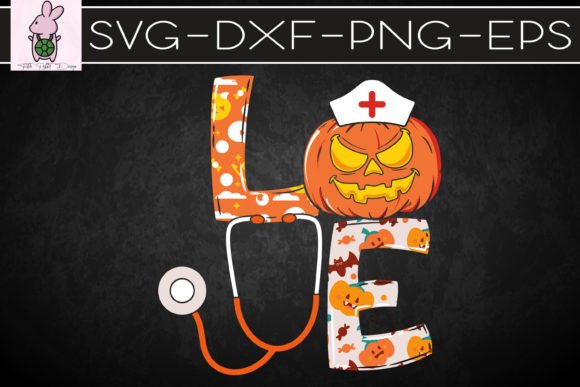
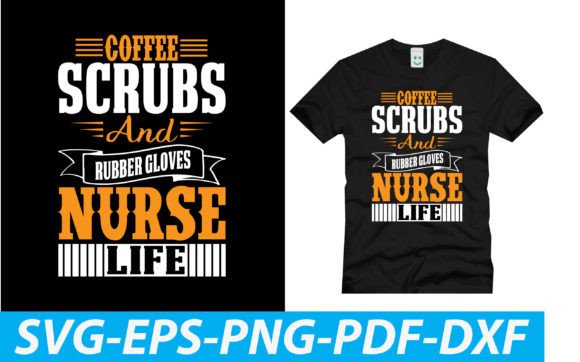
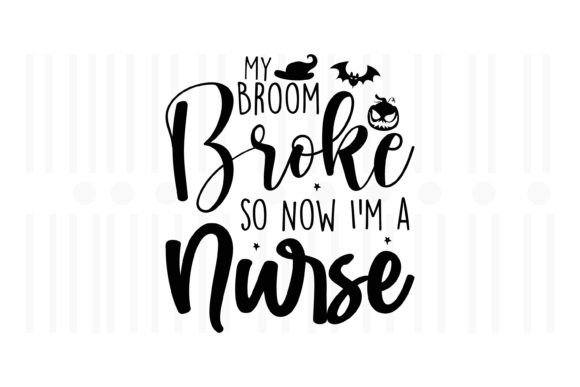
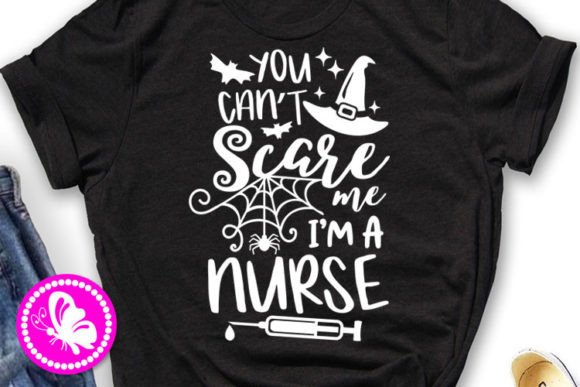
The immediate mood of this design is resilient and humorous. It captures the gritty reality of nursing with a touch of dark humor that resonates deeply with medical staff. Visually, the layout relies on bold typography mixed with thematic iconography. For an embroidery project, this combination presents both opportunities and challenges. The text needs to be legible at a distance, while the graphical elements must remain clean without excessive thread buildup.
When I first opened the files, I looked for balance. A design intended for apparel must breathe. If the elements are too cramped, the fabric will pucker. This particular design appears to have sufficient spacing between the lettering and the accompanying graphics, which is crucial for maintaining the integrity of the finished product. The visual personality is confident, making it an excellent candidate for items meant to boost morale or serve as a conversation starter in clinical settings.
Real-World Application: From Mockup to Merchandise
To truly test a design, you must imagine it on specific substrates. I envisioned this pattern applied to a high-quality cotton blend sweatshirt. This is a staple item for nurses working long shifts in air-conditioned hospitals. The You Can t Scare Me a m a Nurse T Shirts graphic would sit prominently on the chest or back, offering comfort and identity.
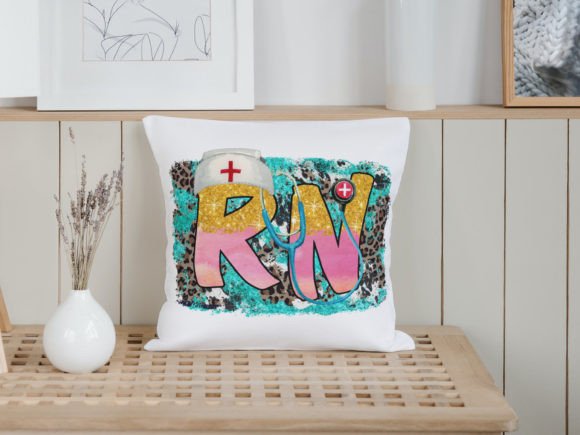
Beyond apparel, consider the versatility for a craft business. An embroidered patch featuring this design could be sewn onto scrub caps or tote bags. A tote bag design using this asset would appeal to nursing students or graduates looking for durable gear. Even home decor items like pillow covers could work if the scale is adjusted correctly, turning a professional badge of honor into a piece of personal pride for the home office.
For Etsy sellers and small shop product creators, this theme taps into a loyal niche. Healthcare workers love personalized items that acknowledge their hard work. By offering this as a personalized gift, perhaps adding the nurse’s name or specialty below the main graphic, you increase the perceived value significantly. It transforms from a generic image into a custom apparel piece that feels made specifically for the buyer.
Technical Considerations for Embroiderers
While the concept is strong, the execution depends on technical precision. Since this is provided as a digital package including SVG, Ai, EPS, PDF, JPG, PNG, and DXF files, it is important to note that these are primarily vector and raster graphics. They are not necessarily pre-digitized machine embroidery design files like PES or DST unless specified by the seller. This means you, the creator, may need to digitize the artwork yourself or convert it using specialized software.
If you are digitizing this from the provided digital embroidery file sources, pay close attention to stitch density. Text-heavy designs can become stiff if filled too densely. I recommend using a combination of satin stitch for smaller text elements and fill stitch for larger graphical components, ensuring you use underlay stitches to anchor the design to the fabric. For the boldest impact, a running stitch outline can help define edges without adding bulk.
Fabric choice matters immensely. On stretchy fabrics like jersey knits used for t-shirts, a cut-away stabilizer is non-negotiable to prevent distortion. For woven fabrics like canvas tote bags, a tear-away stabilizer might suffice, but testing is key. Always check thread colors against your fabric texture. High contrast is essential here; white thread on dark navy scrubs will pop, but subtle tones may get lost in the clinical environment.
Navigating Potential Pitfalls
There are areas where caution is required. Small hoop sizes can truncate the design if the aspect ratio is wide. Always measure your maximum embroidery area before scaling. Additionally, tiny lettering can become illegible if the thread thickness is too great for the font size. If you are working on a baby embroidery item or a small pocket, you may need to simplify the design or remove secondary elements to maintain clarity.
Dark fabrics present another challenge. If the design includes light-colored fills, ensure your digitizing software accounts for pull compensation so the underlying fabric does not show through gaps in the stitching. Curved surfaces, such as caps, require careful placement to avoid distortion. A design that looks flat on a screen can warp when stitched onto a curved crown.
Commercial Viability and Brand Consistency
From a business perspective, this design supports brand consistency for shops focusing on medical professions. It projects professionalism mixed with personality. When customers see a well-stitched, durable holiday embroidery gift or a daily-use item, their trust in your handmade product grows. The clarity of the stitching reflects the quality of your workmanship.
However, always verify licensing terms. Just because you purchased the design assets does not automatically grant unlimited commercial rights. Check the seller’s policy regarding mass production versus small batch sales. Using these Graphics and Crafts materials responsibly ensures you stay compliant while building your portfolio.
Final Designer Notes
Before launching this as a core product in your commercial embroidery lineup, take these practical steps:
- Test on Scrap Fabric: Never stitch directly on final garments. Run a test on similar material to check tension and registration.
- Check Contrast: View your printable mockup in black and white to ensure the design holds up without color reliance.
- Verify File Formats: Confirm if the downloaded package includes ready-to-stitch machine files or if you need to digitize the SVG/DXF vectors yourself.
- Inspect Details: Zoom in on the vector files to ensure no stray nodes or open paths exist before conversion.
- Consider Washability: Nurses wash their uniforms frequently. Use high-quality threads and proper stabilizers to ensure the embroidery project survives industrial laundering.
The You Can t Scare Me a m a Nurse T Shirts design is a potent tool for creators who understand the balance between humor and respect. With careful digitizing and thoughtful material selection, it can become a bestseller in your small shop product catalog. It is not just about stitching thread into fabric; it is about creating a tangible token of appreciation for those who care for us. Treat the design with the technical respect it deserves, and it will reward you with a high-quality, engaging finished product.