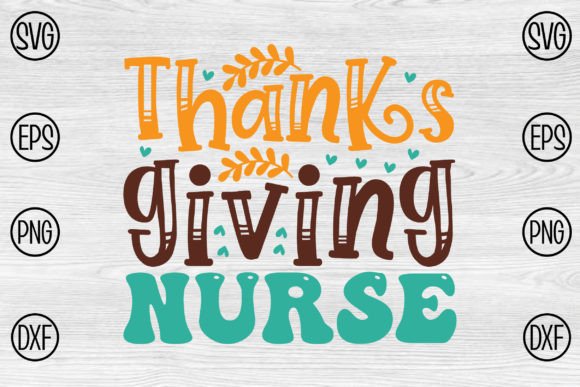
Reviewing the Thanks Giving Nurse Embroidery Design
As a designer who spends half my life digitizing and the other half stitching, I have learned that not every cute graphic translates well to thread. When I first pulled up the Thanks Giving Nurse file, my immediate reaction was curiosity mixed with professional caution. This isn’t just about whether the image looks good on a screen; it is about how those lines behave when a needle punches through fabric at high speed. For embroidery designers, small business owners, and Etsy sellers, understanding the gap between a digital asset and a finished product is crucial. Here is my practical breakdown of this design from the perspective of someone who has to make it look perfect for a paying customer.
First Impressions and Visual Personality
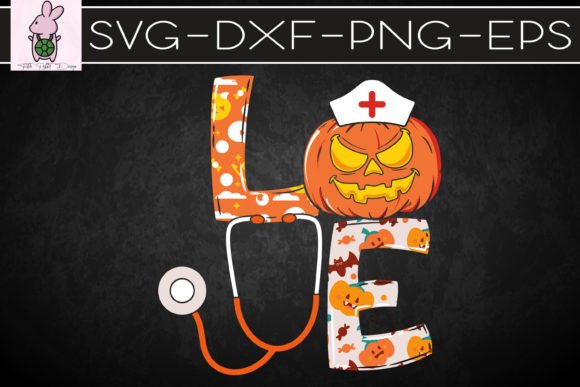
The mood of the Thanks Giving Nurse design is warm, appreciative, and seasonal. It bridges the gap between medical professionalism and holiday warmth, which is a tricky balance to strike visually. The layout appears clean, avoiding the clutter that often plagues holiday-themed graphics. For a craft business owner, this clarity is vital. A busy design can look messy on textured fabrics, but a well-spaced composition allows the stitch work to breathe. The visual personality suggests gratitude and care, making it an ideal candidate for personalized gifts or boutique merchandise aimed at healthcare workers.
Since the product description highlights that this is a 100% vector file with SVG, EPS, and DXF formats included, we are looking at a graphic asset rather than a pre-digitized machine embroidery file. This distinction matters. As a reviewer, I see this as a flexible design asset that requires proper digitizing before it hits the hoop. The 300 DPI resolution in RGB color mode ensures that if you are creating printable mockups or digital product previews for your Etsy shop, the image will remain crisp and professional.
Real-World Application: The Custom Tote Bag Test
To evaluate real-world viability, I imagined applying this design to a heavy canvas tote bag, a popular item for holiday gifts. Canvas has a distinct texture that can swallow fine details. Because Thanks Giving Nurse is provided as a vector, I can scale it appropriately to ensure the lines are thick enough to survive the weave of the fabric. If I were using this for a sweatshirt embroidery project, the stretch of the fleece would require careful attention to stitch density. A design that is too dense on a stretchy fabric will cause puckering, ruining the handmade presentation.
For apparel decorators, this design fits naturally on the left chest of a scrub top or the back of a cozy cardigan. The theme resonates deeply with nurses who work through holidays, making it a high-value item for small shop products. When a customer sees a well-executed embroidered patch or direct stitch on their uniform, it builds trust in your brand consistency. It shows that you understand their profession and their need for durable, respectful decor.
Navigating Fabric and Hoop Constraints
While the design is versatile, there are areas where caution is necessary. If you plan to use this on dark fabric, you must check thread color contrast carefully. Light threads on dark scrubs can pop beautifully, but only if the stitch coverage is sufficient. Thin fabric presents another challenge. Without a proper stabilizer, even a simple running stitch can distort the material. I always recommend testing the design on scrap fabric first, especially if you are converting the vector into a complex fill stitch pattern.
Curved surfaces, such as caps or baby clothes, require a different approach. The Thanks Giving Nurse graphic should be simplified if used on a cap, as the curvature can distort wide designs. For baby embroidery, softness is key. Avoiding dense satin stitch borders in favor of softer fill stitches or applique design techniques can make the final product more comfortable for sensitive skin. Always confirm hoop size compatibility with your machine before starting. A design that is too large for a standard 4x4 hoop might require splitting or resizing, which can affect the aspect ratio if not done correctly.
Commercial Value and Buyer Engagement
From a business standpoint, this design asset offers strong potential for holiday embroidery collections. It is specific enough to stand out in a crowded market but general enough to appeal to a broad audience of healthcare workers. For digital product sellers, offering this as part of a bundle with other medical-themed holiday graphics can increase average order value. The fact that it comes in multiple vector formats means you can use it for various crafts, not just embroidery. You could use the PNG for sublimation prints or the SVG for vinyl cutting, expanding your product line without creating new designs from scratch.
However, commercial embroidery rights are not explicitly detailed in the brief description provided. As a professional, I must advise you to verify the license terms before selling finished items. Some creators allow unlimited sales of physical products, while others restrict digital redistribution. Clear communication with your customers about the handmade nature of the product enhances perceived value. A well-stitched Thanks Giving Nurse design on a high-quality towel or apron speaks to craftsmanship, encouraging repeat business and positive reviews.
Practical Designer Notes for Execution
- Test on Scrap Fabric: Always run a test stitch-out to check for thread breaks or nesting issues, especially if you digitize the vector yourself.
- Check Thread Contrast: Use black and white mockups to ensure the design remains legible without color reliance.
- Review Stitch Density: If digitizing from the vector, keep density moderate to prevent stiffness in the finished product.
- Confirm Hoop Size: Ensure the scaled design fits comfortably within your machine’s hoop with adequate margin for framing.
- Inspect Small Details: Vector files can have tiny anchor points that translate to unnecessary micro-stitches. Clean up the path before digitizing.
- Use Proper Stabilizer: Match your stabilizer to the fabric weight. Cut-away for stretchy knits, tear-away for stable wovens.
- Verify Licensing: Confirm whether the license covers commercial sales of physical goods or if it is for personal use only.
In conclusion, the Thanks Giving Nurse design is a solid foundation for creative entrepreneurs looking to expand their holiday offerings. It requires thoughtful execution, particularly in the digitizing and fabric selection phases, but the payoff is a professional, heartfelt product that resonates with its audience. By treating this vector file as a starting point for careful craftsmanship, you can create items that truly honor the recipients while showcasing your skill as a maker.