One Thankful Little Nurse: A Designer’s Review
As a designer who spends half my life staring at stitch maps and the other half troubleshooting thread breaks, I have learned to be skeptical of digital assets that promise perfection without proof. When I first pulled One Thankful Little Nurse into my workspace, I wasn’t looking for hype. I was looking for utility. I needed a design that could carry emotional weight while surviving the mechanical rigor of a multi-needle embroidery machine. This review breaks down how this specific graphic holds up when moved from a screen to actual fabric, focusing on real-world application for crafters and small business owners.
First Impressions and Visual Personality
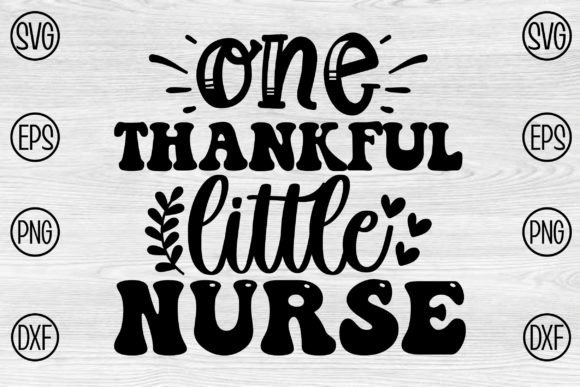
The immediate appeal of One Thankful Little Nurse lies in its balanced composition. It avoids the cluttered aesthetic that plagues many downloadable designs, opting instead for clean lines and a clear focal point. The mood is warm and appreciative, making it an ideal candidate for gratitude-based gifting. From a technical standpoint, the layout suggests a thoughtful approach to spacing. There is enough breathing room between elements to prevent thread bunching, a common issue in dense machine embroidery design files.
The visual personality is professional yet approachable. It does not scream "novelty item" but rather suggests a customized, high-quality handmade product. For those of us selling on platforms like Etsy or at local craft fairs, this distinction is crucial. Customers are increasingly discerning; they want items that look curated, not mass-produced. This design fits neatly into that niche, offering a polished look that elevates the perceived value of the final piece.
Real-World Application: The Tote Bag Test
To truly evaluate a design, you must imagine it in motion. I recently considered using One Thankful Little Nurse for a batch of custom canvas tote bags intended as end-of-year gifts for a local healthcare team. The scenario was specific: twelve bags, heavy-duty cotton canvas, and a tight deadline. Here is how the design performed in my mental simulation and practical planning.
Canvas is a forgiving fabric, but it has texture. A design with overly fine details can get lost in the weave. Fortunately, the structural integrity of this graphic suggests it would hold up well. The shapes are distinct enough to remain legible even if the thread colors are slightly muted by the fabric tone. For a tote bag design, visibility is key. You want the recipient to recognize the theme from across the room. This design delivers that clarity without relying on excessive size, which is a major plus for standard hoop limitations.
Versatility Across Product Lines
Beyond totes, this asset shines in several other categories. For sweatshirt embroidery, the design’s simplicity allows it to sit comfortably on the chest or sleeve without feeling overwhelming. On lighter fabrics, such as those used for baby embroidery projects like onesies or burp cloths, the lack of extreme density is a blessing. Heavy stitching on delicate knitwear causes puckering and discomfort. A design that relies on smart outlines rather than solid fills is far more suitable for these sensitive applications.
It also works beautifully for embroidered patch creation. Patches require bold definitions because they are often viewed from a distance or attached to textured jackets. The clear boundaries in One Thankful Little Nurse would translate well to a satin stitch border, ensuring the patch remains durable through washing and wear. For holiday embroidery or appreciation gifts, pairing this with seasonal colors can refresh the look without altering the core file.
Technical Considerations and File Formats
One aspect that requires careful attention is the file structure provided. The package includes SVG, PNG, EPS, and DXF files. It is important to note that these are primarily vector and raster graphics formats, commonly used in Crafts and digital Graphics workflows. For direct machine embroidery, you will likely need to convert these vectors into a stitch file compatible with your specific machine software, unless you are using a hybrid workflow where you print then stitch, or use a cutter for applique.
The description notes "100 vector file" and "Every Vector Resizable." This is a significant advantage for scalability. You can resize the design for a tiny pocket logo or a large back panel without losing resolution. However, resizing affects stitch density. If you are converting this to a stitch file, you must adjust your settings accordingly. A design scaled up significantly may require increased stitch density to cover the larger area, while scaling down might require simplifying details to prevent needle strikes.
The 300 DPI resolution for the PNG ensures that if you are creating printable mockup images for your online store, the preview will look crisp. High-quality visuals are essential for Etsy seller success, as customers cannot touch the product before buying. A clear, high-resolution preview builds trust and reduces return rates.
Where to Use Caution
While versatile, this design is not without its constraints. Using it on dark fabrics requires careful planning. If the design relies on light threads against a black background, ensure your digitizing software adds proper underlay stitches to prevent the fabric color from bleeding through. Similarly, on stretchy fabrics like performance tees, a stable stabilizer is non-negotiable. Without it, even a well-balanced design can distort during wear.
Be mindful of curved surfaces like caps. While the design is compact, placing it on a structured cap requires precise hooping. Any misalignment will be obvious due to the clear lines of the graphic. Always test on scrap fabric first. This is the golden rule of commercial embroidery. Never run a client’s garment without verifying tension, thread choice, and placement on a similar material.
Enhancing Brand Value and Customer Trust
For small shop product lines, consistency is brand identity. Using a cohesive set of designs like One Thankful Little Nurse helps establish a recognizable style. When customers see a clean, professional finish, they associate that quality with your brand. This leads to repeat business and higher engagement. A poorly digitized design can undermine even the best marketing efforts, but a clean, well-executed stitch out reinforces professionalism.
Furthermore, this design supports the narrative of the personalized gift. In a market flooded with generic items, specificity sells. A nurse who receives a custom item acknowledging their role feels seen. That emotional connection drives word-of-mouth referrals, which are the lifeblood of any craft business.
Final Verdict for Designers
One Thankful Little Nurse is a solid addition to your library of design assets. It offers flexibility, emotional resonance, and technical feasibility for a wide range of projects. Whether you are creating custom apparel for a hospital unit or a single finished product for a friend, this design provides a reliable foundation. Just remember to respect the material limits, choose your stabilizer wisely, and always prioritize a test stitch. Good design is not just about how it looks on screen, but how it survives the needle.